India’s GCC landscape is evolving geographically. While Bangalore, Hyderabad, Pune, and Chennai dominated for two decades, organizations are now establishing smaller, specialized “Nano GCCs” in Tier-II cities like Coimbatore, Visakhapatnam, Jaipur, Chandigarh, Kochi, Indore, and Bhubaneswar.
Not all GCC functions require expensive metro hubs, and Tier-II cities offer distinct advantages for targeted use cases.
What Are Nano GCCs?
Scale & Focus: Nano GCCs are small (20-100 employees) and highly specialized, addressing analytics, niche technology, or domain-specific business processes, unlike traditional large-scale GCCs employing hundreds or thousands.
Operational Philosophy: Lean teams operate without complex hierarchies, with shared services handling administrative tasks.
Strategic Positioning: Nano GCCs address specific capability gaps, making them easier to establish, adjust, or wind down as business needs change.
Geographic Distribution: Distributed operations across multiple Tier-II cities provide flexibility and targeted capabilities.
Why Tier-II Cities Make Compelling Sense
Cost Advantages
- Real Estate: Commercial rents in Tier-II cities are 40–60% lower than metros. For a 100-person operation, savings can fund 5-10 additional employees over five years.
- Compensation: Salaries are 30-40% lower, yielding net savings of 20-30% after cost-of-living adjustments.
- Lower Attrition: Tier-II cities show up to 10% lower attrition, adding stability to small, high-impact teams.
Untapped Talent Pools
- Educated Workforce: IITs, NITs, and state universities produce skilled graduates.
- Domain Expertise: Cities often have industry specialization-Coimbatore (manufacturing), Visakhapatnam (pharma/petrochemicals).
- Loyalty & Stability: Limited high-quality employers foster longer tenure and deeper engagement.
Infrastructure Maturation
- Modern airports, roads, reliable power, and telecom networks support operations.
- Commercial spaces, co-working hubs, and managed facilities enable readiness in weeks.
- High-speed internet and cloud services meet professional requirements.
Government Support & Incentives
- Tax holidays, subsidized land, capital expenditure support.
- Employment incentives, fast-track approvals, and single-window clearances.
- Ecosystem development: funding, skill-building, and industry associations.
Challenges to Consider
- Talent Depth: Specialized skills (AI, cybersecurity) may require longer recruitment and training.
- Limited-Service Ecosystem: Vendors for recruitment, IT, and facilities are fewer.
- Connectivity & Travel: Tier-II cities have fewer direct international connections.
- Lifestyle for Expats: Limited international schools, housing, and cultural amenities.
- Ecosystem Maturity: Fewer professional associations and networking opportunities.
How Inspiredge Enables Successful Nano GCCs
- Regional Presence: : Expertise in Tier-II cities, especially Visakhapatnam
- Rapid Deployment: Operations activated less than 90 days
- Talent Acquisition: Strong local market knowledge, university relationships, and assessment frameworks.
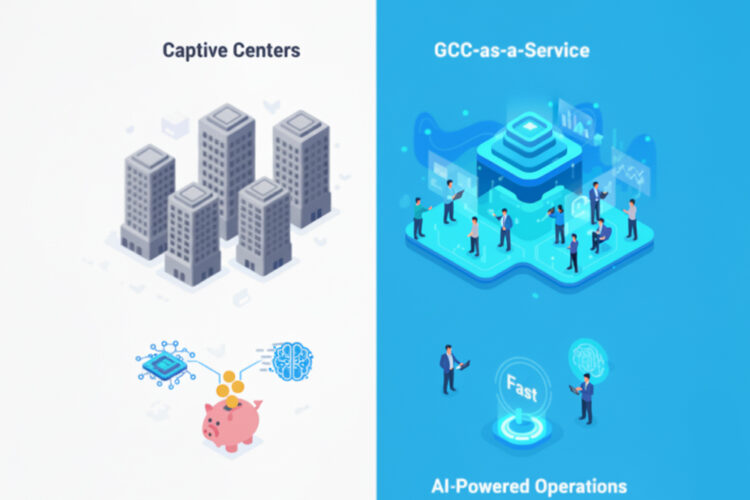
- Operational Support: GCC-as-a-Service platform manages HR, compliance, facilities, and vendors.
- Business Continuity: Multi-location structuring ensures redundancy.
- Training Programs: Cover technical skills, domain knowledge, and communication.
Strategic Considerations: Is a Tier-II Nano GCC Right for You?
- Your Requirements Fit: 20–100 employees, roles not requiring scarce specialized skills, training feasible.
- Cost Optimization Matters: Trade-offs in operations are acceptable for financial benefits.
- Business Continuity: Geographic diversity reduces risk.
- Patient Capital: Multi-year commitment for team development and ecosystem building.
- Right Partner: Work with providers experienced in Tier-II operations Especially like us.
Tier-II cities are no longer secondary options-they are emerging as strategic hubs for specialized, cost-efficient, and agile Nano GCCs, enabling enterprises to expand capabilities while optimizing costs and fostering stability.