

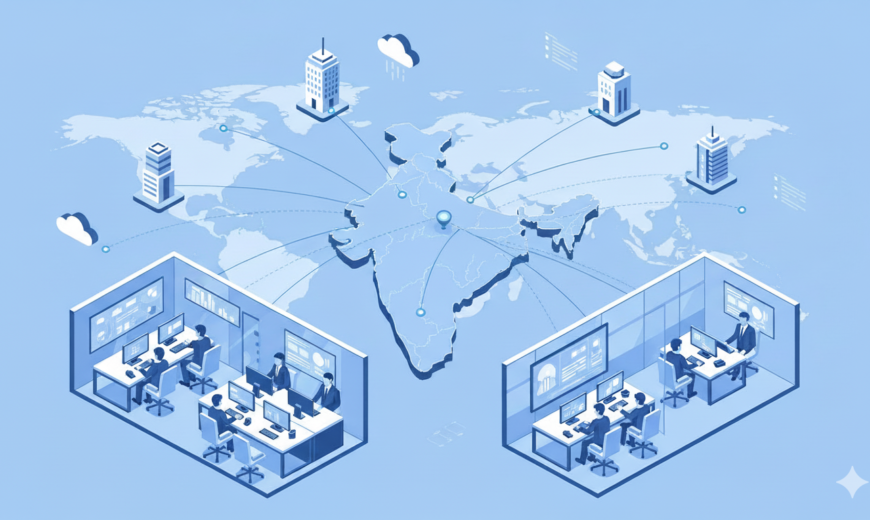
The Evolving Geography of India’s GCC Ecosystem Location has always been central to GCC success, influencing talent access, costs, infrastructure, and business environment. For years, Tier-I cities: Bangalore, Hyderabad, Pune,...
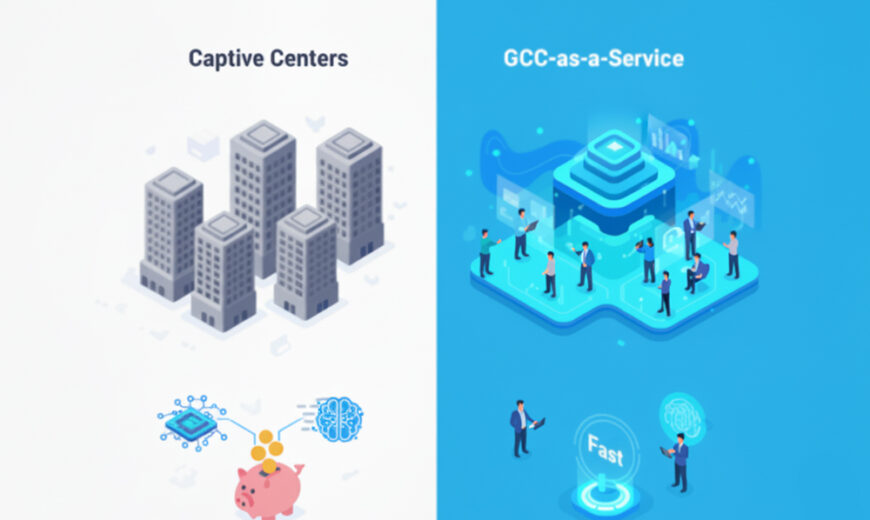
For decades, captive centers were the dominant offshore model in India. Enterprises invested heavily in real estate, infrastructure, and dedicated teams, gaining control and strategic alignment but at the cost of...

India’s GCC landscape is evolving geographically. While Bangalore, Hyderabad, Pune, and Chennai dominated for two decades, organizations are now establishing smaller, specialized “Nano GCCs” in Tier-II cities like Coimbatore, Visakhapatnam, Jaipur, Chandigarh,...
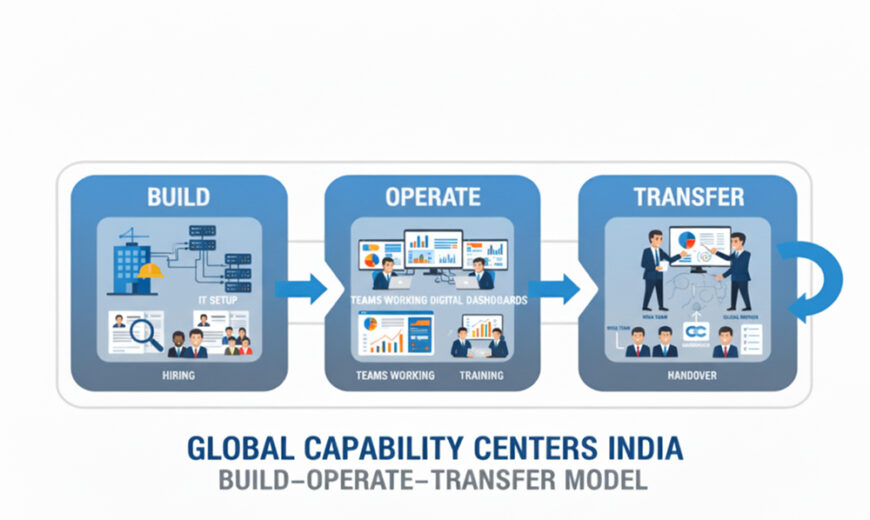
The Build–Operate–Transfer (BOT) model is a proven approach for establishing a Global Capability Center (GCC) in India with lower risk and faster ROI. Instead of managing everything in-house from...
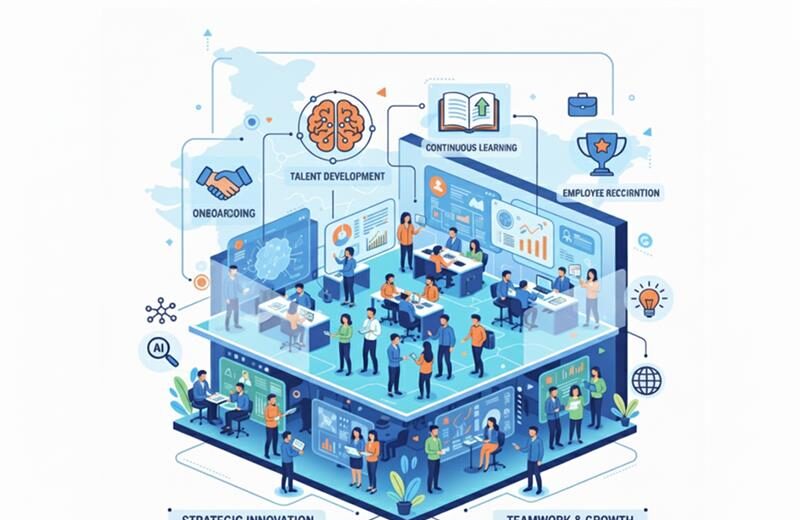
In India’s Global Capability Center (GCC) landscape, infrastructure and cost benefits are just the basics. What truly sets successful GCCs apart is talent. The ability to attract, develop, and...
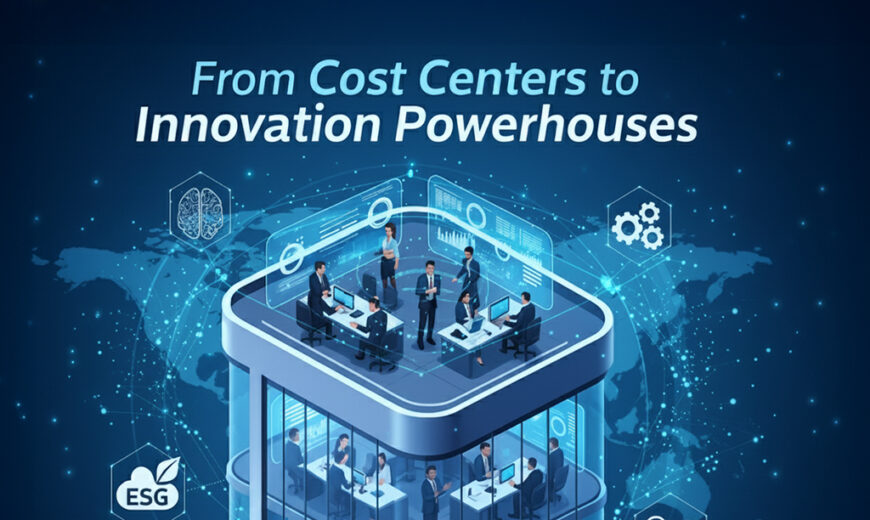
Over the past twenty years, Global Capability Centers (GCCs) in India have evolved dramatically. What once focused on cost savings is now a powerhouse for innovation and efficient operations....

India has rapidly become a global hub for innovation and operational excellence, driven by the rise of Global Capability Centers (GCCs). These centers have played a pivotal role in...

Global Capability Centers (GCCs) are redefining business operations by embedding sustainability into their core strategies. Beyond cost efficiency and operational excellence, GCCs are now pivotal in driving sustainable business...